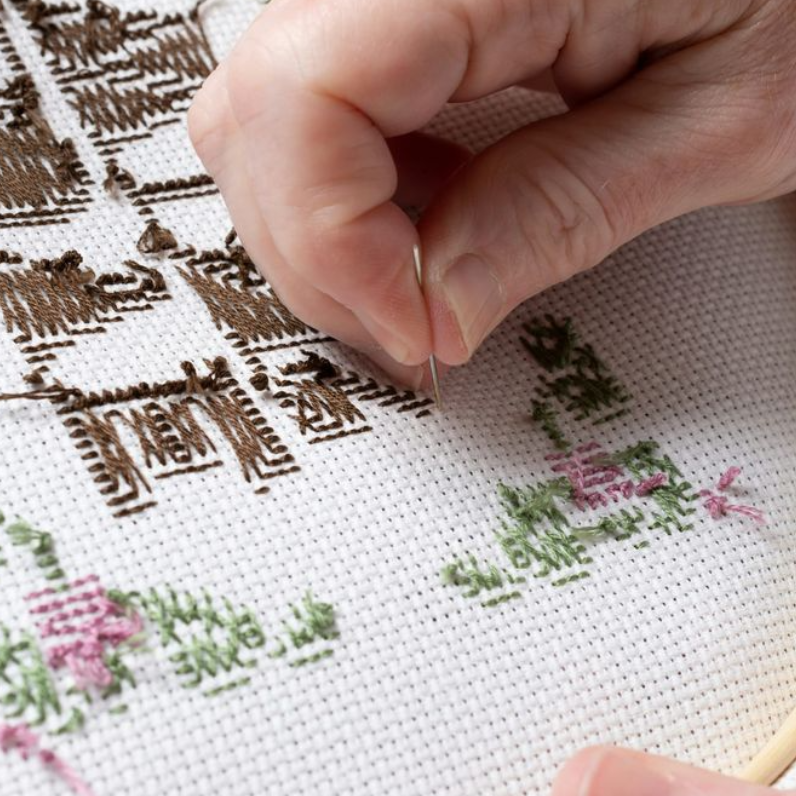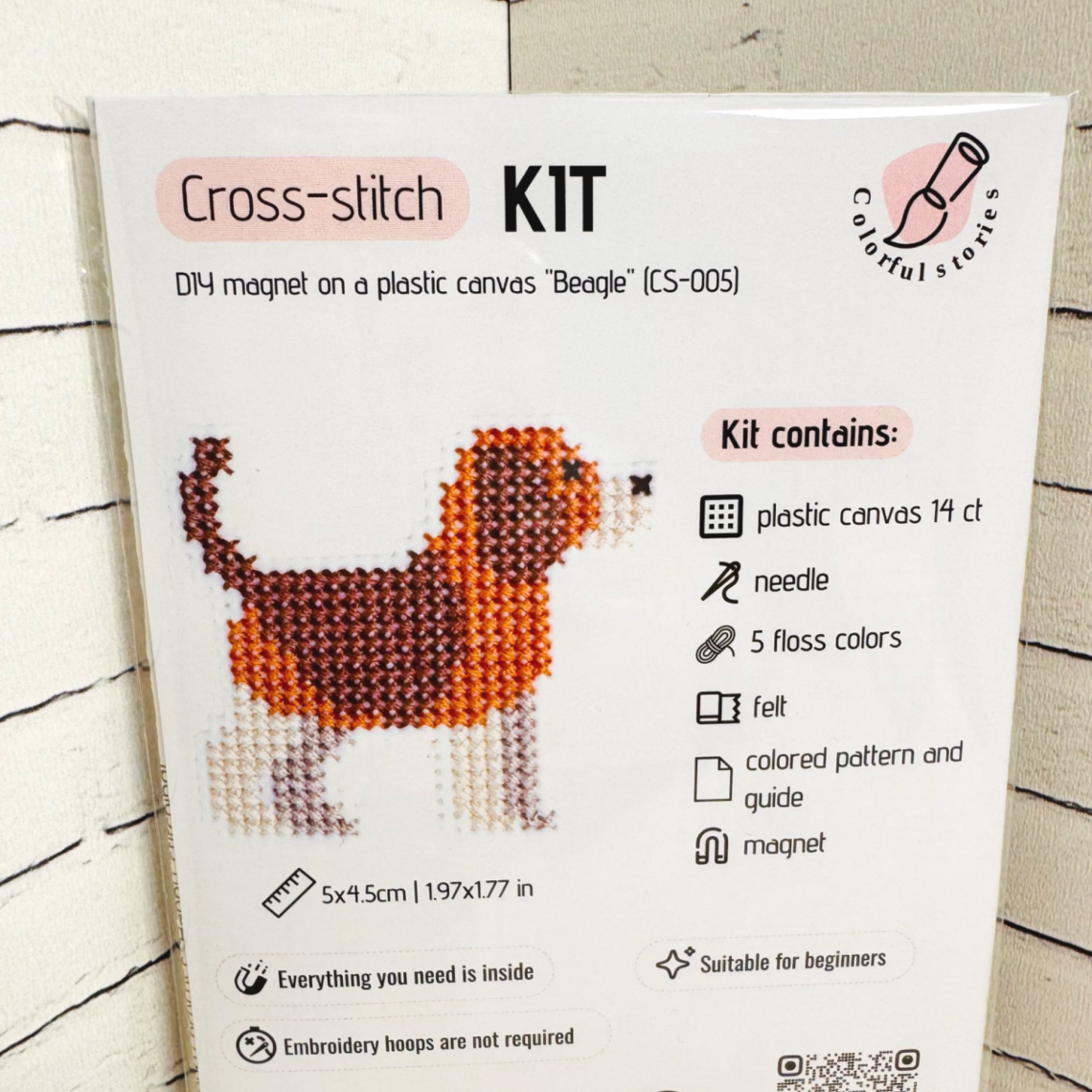
Cross‑stitching is a relaxing and rewarding craft — but nothing breaks the mood faster than a tangled thread. Here’s a comprehensive guide with practical tips to keep your threads neat and your stitching smooth.
Choosing the Right Thread Length
One of the most common causes of tangling is using threads that are too long. Aim for a length of about 18–24 inches (45–60 cm). This length is long enough to work with comfortably but short enough to avoid excessive twisting. If you’re working on a large area of one colour, it’s better to cut several shorter lengths rather than one very long one. Longer threads have more opportunity to twist and tangle as you stitch, so keeping them manageable makes a big difference.
Using a Thread Conditioner
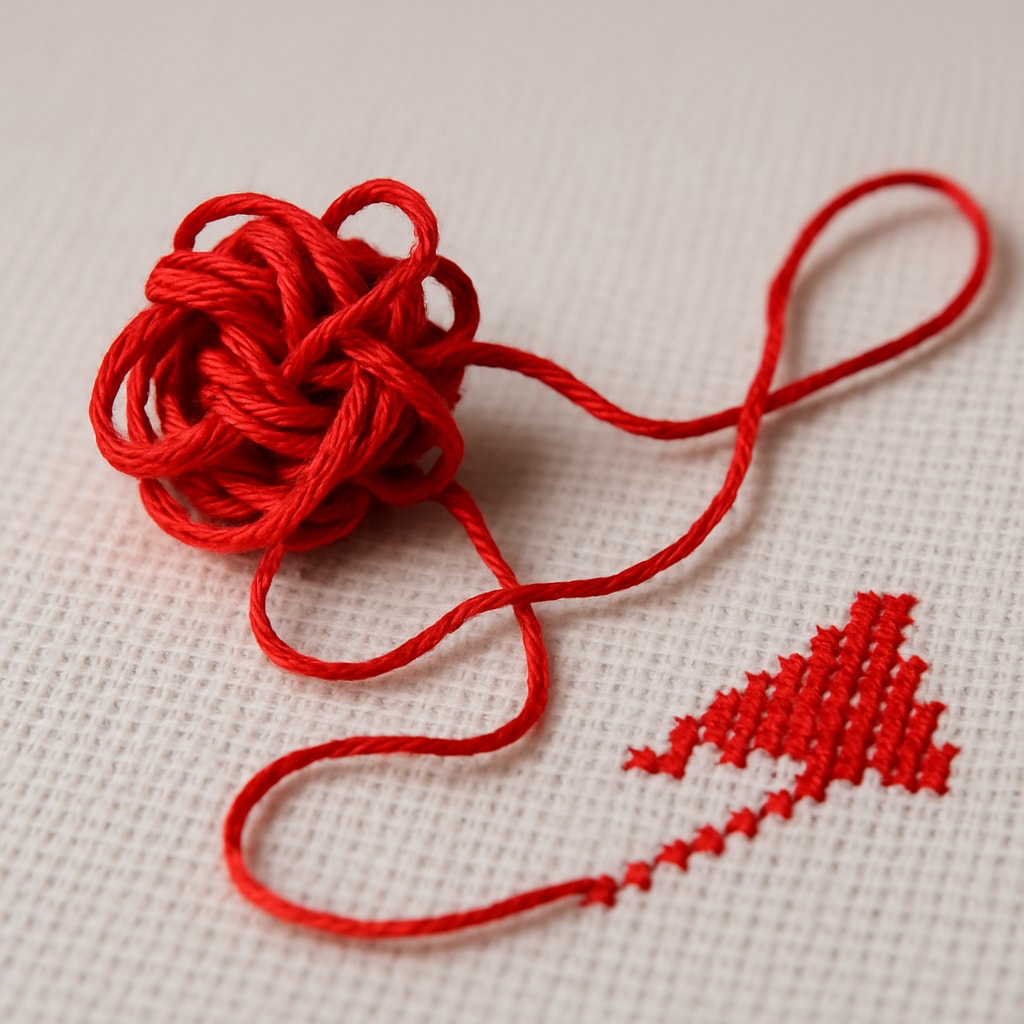
Thread conditioners, such as beeswax or synthetic alternatives, can significantly smooth the fibres and reduce friction. To apply, gently run the thread through the conditioner before threading your needle — but don’t overdo it, as a light coating is sufficient. This treatment offers several benefits: it reduces static and friction, prevents fraying, and makes the thread glide more easily through the fabric. Keep in mind that beeswax can slightly darken very light threads, so it’s wise to test it first if you’re concerned about colour changes.
Threading the Needle Correctly
The way you thread the needle can affect how the thread behaves during stitching. If you’re using a double strand (two strands threaded together), make sure both ends are even — uneven lengths can twist as you work. Some embroidery floss has a natural twist, so try threading the needle with the end that was cut last; this can sometimes reduce unwanted twisting. Before threading, lay the thread flat and gently pull it to remove any small kinks or bends, ensuring a smoother start to your stitching.
Mind Your Stitching Technique
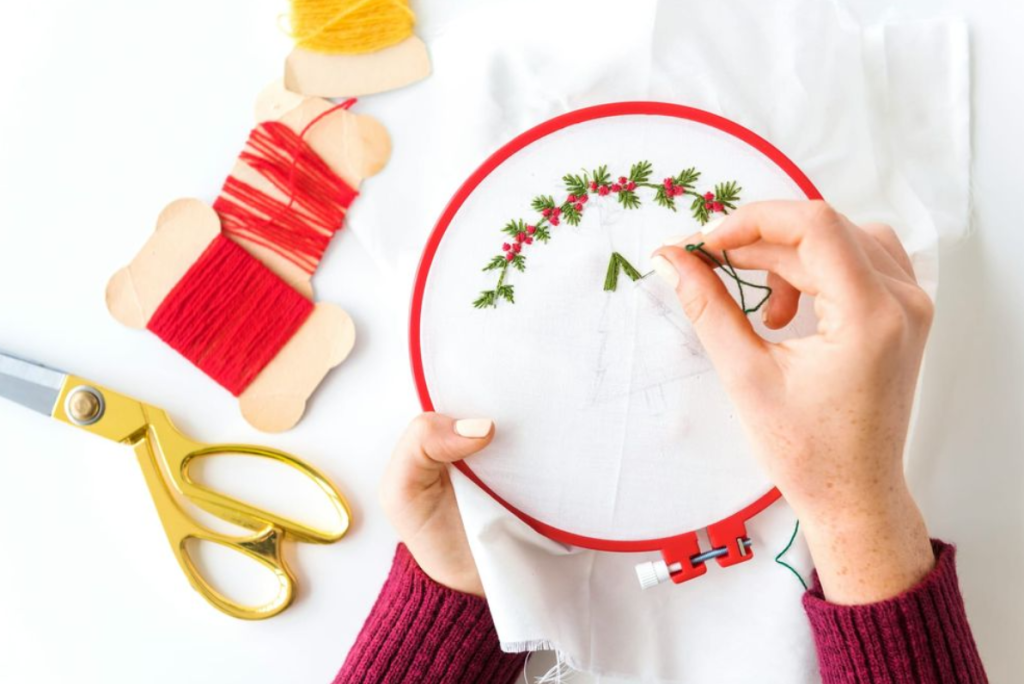
Your hand movements play a big role in preventing tangles. Try to maintain a consistent direction when stitching: always bring the needle up from the same side of the thread. For example, you might always come up to the right of the thread and down to the left. This creates a predictable twist that is less likely to tangle. Avoid repeatedly twisting the needle in your fingers as you work — if you notice the thread starting to twist, stop and let the needle hang freely to untwist it. Additionally, maintain steady tension: don’t pull the thread too tightly, as excessive tension can cause the thread to kink and tangle more easily.
Organising Your Workspace
A tidy workspace minimises the chances of threads catching on things. Using a hoop or frame to keep your fabric taut prevents the thread from dragging across loose fabric, which can lead to tangles. Keep your floss skeins in a small tray or container to stop loose ends from getting caught on other threads or objects. Good lighting is also important — adequate light helps you see what you’re doing, reducing the chance of accidental snags and making your stitching process smoother overall.
Managing Multiple Strands
When stitching with multiple strands of floss, take extra care to prevent tangling from the start. Before cutting your thread, separate the individual strands to avoid them tangling with each other. After separating, lay the strands side by side and gently pull them to align the fibres — this reduces internal twisting and makes the thread behave more predictably. Be especially mindful when using variegated floss, as some multicoloured threads are plied in a way that encourages twisting. Pay attention to tension and direction to minimise issues with these types of threads.
Taking Breaks and Checking Your Thread
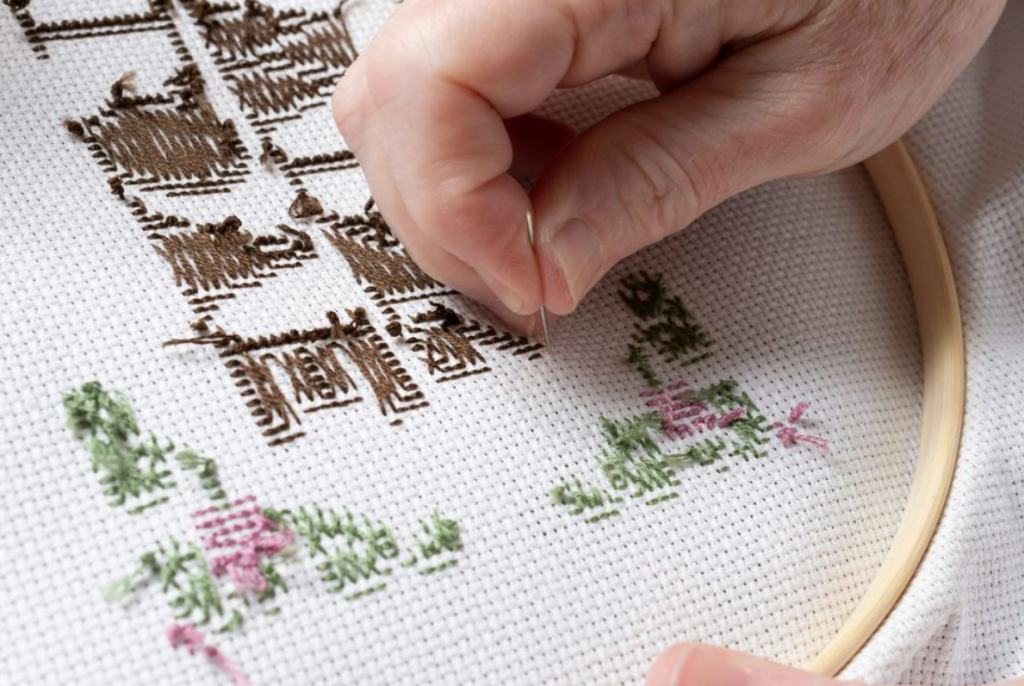
Regular checks can catch problems before they become knots. Every few minutes, pause your stitching and let the needle and thread hang freely — this allows any twists to unwind naturally. If you see a small twist forming, gently pull the thread taut to straighten it out before continuing. Sometimes, a particular length of thread just gets too kinked to recover despite your best efforts. In such cases, it’s more efficient to cut a fresh piece and start again.
Storing Floss Properly
How you store your embroidery floss affects its behaviour when you use it later. Instead of leaving floss in loose skeins, wind it onto floss cards or small bobbins. This keeps it neat and tangle‑free between projects. When you wind floss, label the card or bobbin with the colour code — this saves time and reduces the chance of grabbing the wrong skein and creating a mess. Store your organised floss in a small box or case to protect it from dust and accidental snags, ensuring it stays in good condition for future use.
Choosing the Right Fabric and Needle
The materials you choose can influence tangling. For instance, very high‑count fabrics (like 32‑count linen) require finer threads and can increase friction — make sure your thread thickness is appropriate for your fabric. Use a needle with an eye large enough for your thread; a too‑small eye can pinch and kink the thread as you pull it through. Also, ensure your needles are sharp — dull needles can snag the thread fibres, causing fraying and tangling. Replace your needle regularly to maintain smooth stitching.
Staying Calm and Patient
Finally, remember that a little frustration is normal when tangles occur. If a tangle does happen, resist the urge to pull hard — this can tighten the knot and damage the thread. Instead, gently work the tangle loose with your fingers or a small tool. If you’re feeling flustered, step away from your project for a few minutes. A calm mind makes untangling much easier, and returning to the task with a fresh perspective often helps you resolve the issue more quickly.
Summary of Key Tips
To minimise thread tangling in cross‑stitching, remember to:
- cut threads to 18–24 inches (45–60 cm);
- use thread conditioner to reduce friction;
- thread the needle carefully and check for kinks;
- stitch with a consistent direction and tension;
- keep your workspace tidy and well‑lit;
- separate and smooth strands before use;
- take breaks to let the thread untwist;
- store floss on cards or bobbins;
- choose the right fabric and needle for your project;
- stay calm if tangles occur.
By following these steps, you’ll spend less time untangling and more time enjoying the satisfying rhythm of cross‑stitching. Happy stitching!
Best selling products
-
Kit
Terrier Kit
Original price was: $25.00.$19.75Current price is: $19.75. -
Digital
Watercolor Flower
Original price was: $5.00.$3.30Current price is: $3.30. -
Kit
Beagle Kit
Original price was: $25.00.$19.75Current price is: $19.75. -
Digital
Agata
Original price was: $3.00.$1.98Current price is: $1.98. -
Digital
Ambulance
Original price was: $3.00.$1.98Current price is: $1.98. -
Digital
Rocket
Original price was: $3.00.$1.98Current price is: $1.98. -
Digital
Snowman
Original price was: $3.00.$1.98Current price is: $1.98. -
Digital
Winter Boy
Original price was: $3.00.$1.98Current price is: $1.98.